Reading habits
Why Reading More Books Still Matters in 2026
Here is the strange part. We have never read more words in a day than we do now. Messages, captions, headlines, comments, the endless scroll of a feed. And yet most of us read fewer whole books than we used to, and remember less of what we do read. This piece is about that gap, and about why the slow act of reading a book is worth protecting even when everything around you is built to pull you off the page.
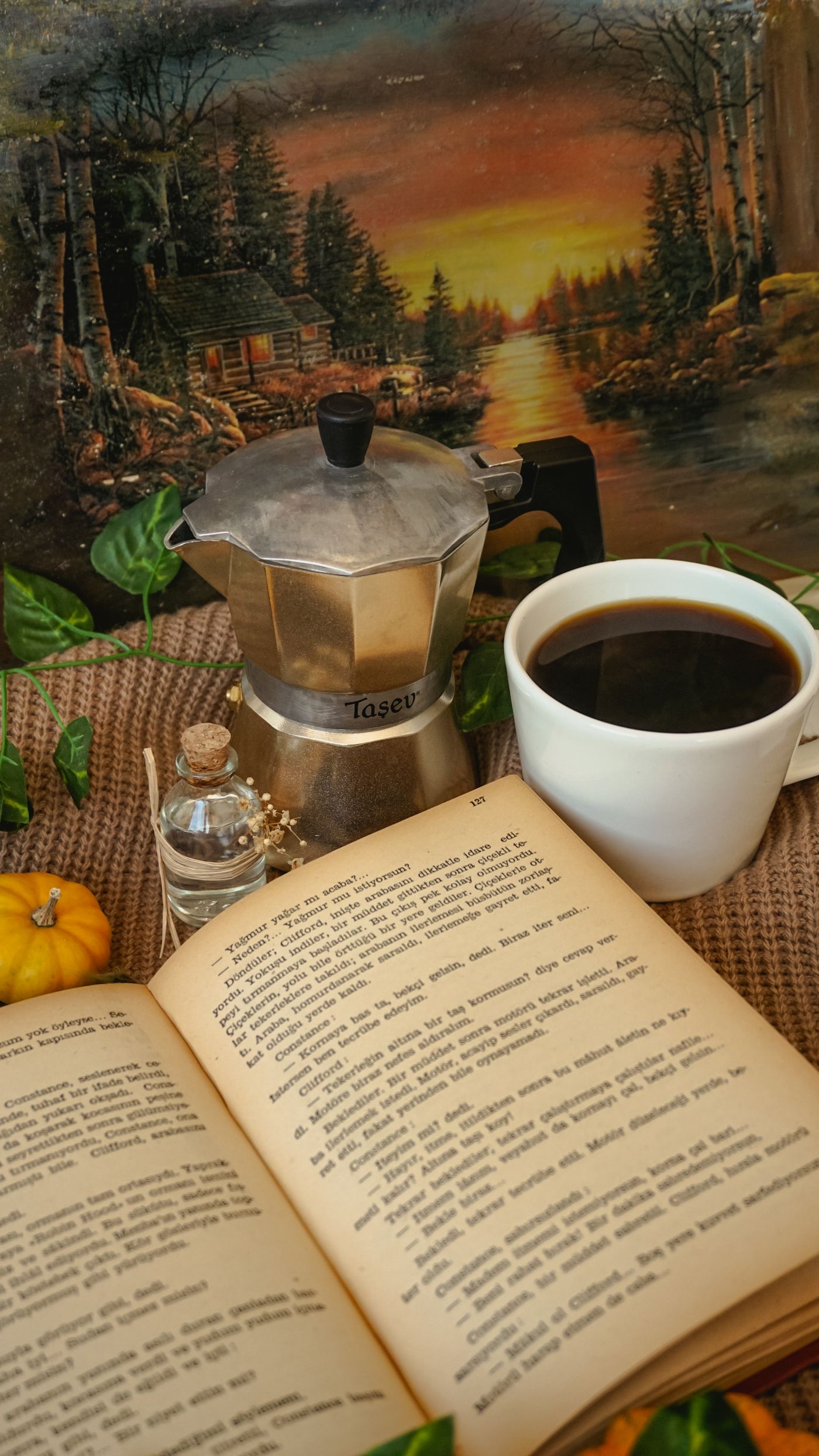
Reading has never been busier, or shallower
Point a stopwatch at an ordinary day and the numbers are surprising. Between texts, work chats, news, and social apps, a lot of people move through tens of thousands of words before dinner. So the problem was never that we stopped reading. The problem is what we read, and how.
Almost all of that daily reading is built to be skimmed. A feed rewards the quick glance and the fast scroll. It trains your eyes to hunt for the next thing before you have finished the last one. Do that for a few years and something quietly changes: sitting with a single chapter starts to feel like hard work, because your attention has been coached to keep moving. Plenty of lifelong readers describe the same thing. They still love books, but they find it harder than it used to be to stay inside one.
That is worth naming plainly, because it is not a personal failing. The apps you use most were designed by very talented people to hold your attention and hand it to someone else. A book is one of the few things left that asks you to keep your attention for yourself.
What a book gives you that a feed cannot
A book is a long, structured argument or story that only pays off if you stay with it. That single demand, stay with it, is where most of the benefit comes from.
It rebuilds your attention. Deep reading is one of the few daily activities that trains sustained focus instead of fragmenting it. Every time you follow a paragraph into the next one without reaching for your phone, you are practising the exact muscle the rest of your day is wearing down. Readers often notice the effect spill over. After a few weeks back in the habit, email and work feel a little easier to sit with too.
It grows how you think and speak. The strongest predictor of a large vocabulary is not schooling, it is how much someone reads. Books expose you to sentences longer and stranger than anything a caption will ever hold, and slowly your own sentences start to have more room in them. You end up with better words for what you already feel.
It lets you live other lives. Fiction in particular does something no summary can reproduce. Staying inside another person's head for three hundred pages is about the closest we have to genuinely borrowing someone else's experience, and researchers who study it keep finding the same link between reading novels and reading people. Empathy turns out to be a skill you can practise, and stories are the gym.
It is quietly good for you. Reading before bed lowers the day's noise in a way a screen actively works against. Studies on stress have found that a short spell of reading can calm a racing pulse faster than a walk or a cup of tea. None of this is dramatic. It just adds up.
A reader lives a thousand lives before he dies. The man who never reads lives only one.
The real cost of the years you do not read
It is easy to treat reading as a nice-to-have that slips when life gets busy. The cost of letting it slip is just invisible, which is different from being small.
When you stop reading books, your sense of the world starts to arrive pre-chewed. You take your opinions from headlines and clips made by people who want a reaction out of you, and you rarely sit long enough with any idea to test whether you actually agree. Your attention span contracts to fit the format you feed it. And the specific, hard-won thoughts that a good book leaves behind, the ones that change how you see something, simply never get made, because you were never in the book long enough for them to form.
A year of only skimming leaves almost no trace. A year of ten real books can change what you believe. The difference between those two years is mostly a handful of small decisions about what to do with twenty spare minutes.
Reading more is easier than you have been told
The advice to read more usually arrives with a guilt trip attached, and guilt is a poor engine for a quiet habit. You do not need a hundred books a year or a colour-coded spreadsheet. You need a few honest adjustments.
Make the book more reachable than the phone. Attention follows friction. If your phone is on the nightstand and the book is in another room, the phone wins every night. Swap their positions and watch what happens. Keep something to read wherever you tend to have dead minutes: your bag, the kitchen counter, the arm of the sofa.
Let yourself quit books. A surprising amount of not-reading comes from being stuck in a book you secretly dislike, feeling too guilty to abandon it and too bored to open it. Put it down. There is no prize for finishing a book that is not for you, and there are more good ones than you will ever get through.
Read for the ideas you get to keep. A book gets far more gripping the moment you start treating it as a place to mine for lines and thoughts worth holding onto. When you read with a pen or a note nearby, you read more actively, you remember more, and you look forward to the next session because there is something in it for you. This is the whole idea behind remembering more of what you read and keeping a commonplace book of the passages you never want to lose.
Count minutes, not books. Twenty minutes a day is a book every couple of weeks and something like twenty-five books a year, without a single heroic reading marathon. Small and daily beats big and rare, every time.
Where ZenRead fits
We built ZenRead because the reading itself is only half of it. The other half is what a book leaves behind, and that half is usually lost. You finish a great book, you carry a warm feeling about it for a week, and a month later you can barely name what it said.
ZenRead is a calm place to keep that second half. Save the lines that stop you, by typing them, scanning the book's ISBN, or photographing the page so you never have to retype a word. Track what you are reading without a streak counter nagging you about it. Over time, link the ideas that echo each other across different books, and open the reference graph to see how your reading connects. It is built to sit quietly beside the book and stay out of the way, which is the only kind of reading app worth having.
Read more, and keep what it leaves behind
ZenRead is a calm reading journal. Capture the quotes worth keeping (free, no account needed), track your books without the guilt machinery, and watch your library grow into something you can actually think with.
Get ZenRead on Google Play