Reading culture
The 5 Types of Readers: Which One Are You?
"Reader" is a single word doing a lot of quiet work. It covers the person who finishes eighty books a year and the person who buys eighty and finishes three, the one who reads to feel something and the one who reads to pass an exam, and the one whose bookshelf is really a stage set. None of these are wrong, and most of us are a blend that shifts with the season of our life. Here is a field guide to the five, written with affection and one small dose of honesty at the end.
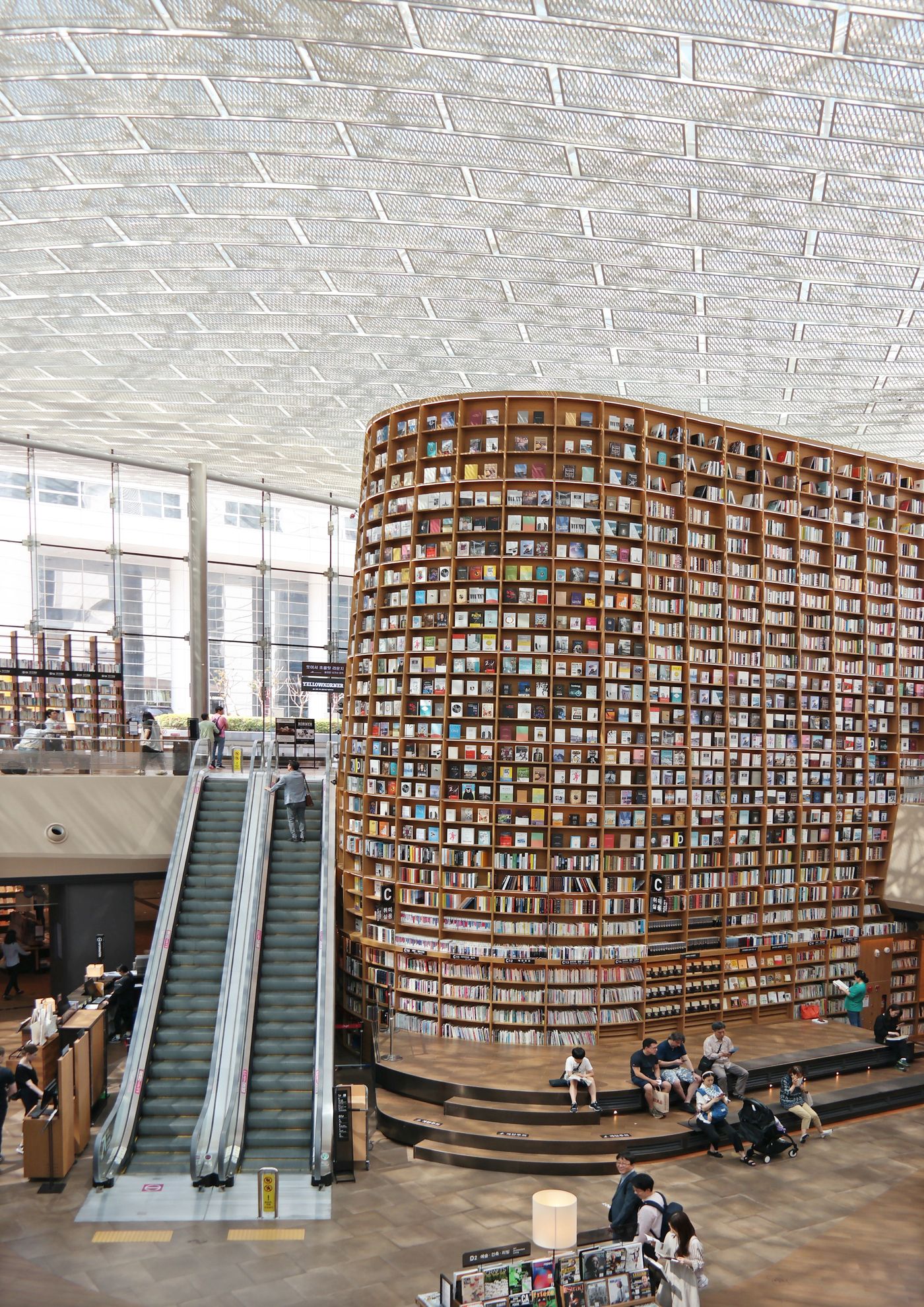
1. The Power Reader
The power reader treats books as a serious input, not a hobby they fit in around life. They read a lot, often several titles at once, and they read with a pen, a highlighter, or an app close at hand because a book that leaves no trace feels wasted to them. Ask what they are reading and you get a small lecture, happily given.
Their strength is range and momentum. Their hazard is volume without retention: read fast enough and the books start to blur, and last month's brilliant insight becomes this month's vague feeling. The power reader who thrives is the one who builds a way to keep and connect what they take in, so the fiftieth book stands on the shoulders of the other forty-nine instead of vanishing into the pile.
2. The Casual Reader
The casual reader likes books and keeps them in their life without making a project of it. A few a year, usually on holiday or in the quiet weeks, chosen on a friend's recommendation or a good cover. No tracking, no goals, no guilt, and no particular need to have an opinion about the state of publishing.
This is a healthy, sustainable way to read, and casual readers often enjoy books more than the anxious completists do, precisely because nothing is at stake. The only thing they tend to lose is continuity. Because the books are spread thin and unrecorded, the good ones fade, and a title they loved two summers ago becomes hard to recommend because they can no longer say quite why it was good. A light touch of capture, even one saved line per book, gives a casual reader all the memory they need without turning reading into homework.
3. The Book Enjoyer
The book enjoyer reads for the feeling of it. The pleasure of a story, the hush of a good sentence, the specific joy of a rainy afternoon and a thick novel. They are not trying to optimise anything or extract lessons. They want to be moved, and a book that moves them has done its whole job.
Do not underestimate this reader. They are the reason literature exists, and they often have better taste than the people who read to seem clever. Their reading is emotional memory more than factual memory, so what they keep is a feeling rather than an argument. If a book enjoyer ever wants a bit more of the afterglow to last, the move is not to start taking notes like a student. It is simply to save the handful of lines that gave them chills, so the feeling has somewhere to live.
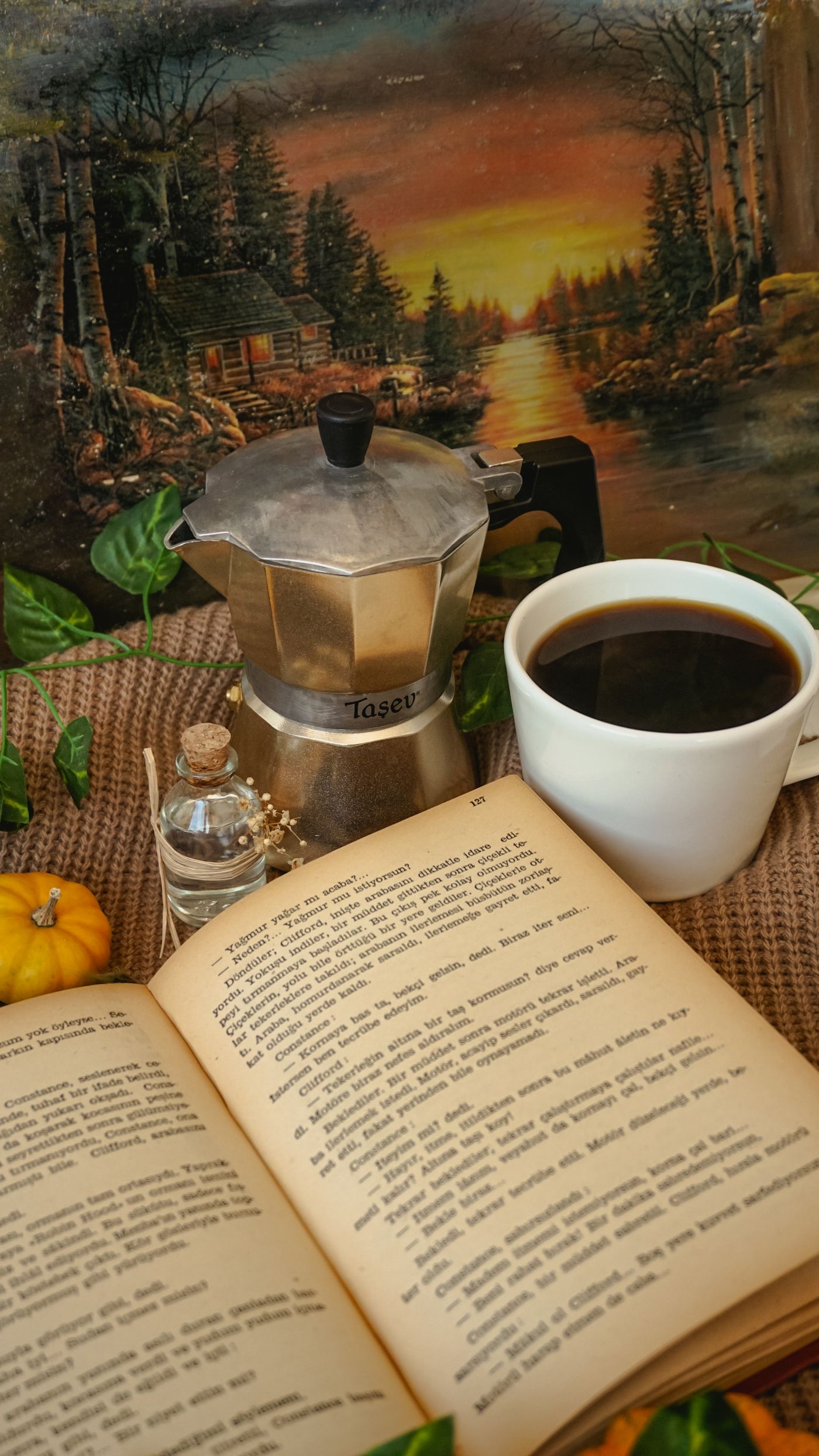
4. The Educational Reader
The educational reader is on a mission. They read to get better at something, whether that is a career, a craft, a language, or a subject that has hooked them. Their shelves lean toward non-fiction, and they are the readers most likely to underline, summarise, and argue with the author in the margins. For them a book is a tool, and a tool is judged by what it lets you do afterwards.
Their strength is intent: they come to a book with a question, so they read actively and remember more than most. Their risk is the opposite of the book enjoyer's. They can grind through books joylessly, treating every page as a task, until reading stops feeling like anything but work. The educational reader at their best keeps one foot in pleasure, and makes sure the notes they take actually get revisited, because an underline you never look at again is just decoration.
5. The Performative Reader
And then there is the reader who mostly reads to be seen reading. The tote bag with the right title poking out. The stack of unread hardcovers arranged for the camera. The classic bought, photographed, posted about, and never opened past chapter one. For this reader the book is a signal, a way of telling the world what kind of person they are, and the actual contents are almost beside the point.
It is easy to be harsh here, so let us be fair first. Wanting to be the sort of person who reads is not a bad instinct. It is a good one aimed slightly wrong, and a lot of real reading habits have started exactly this way, with someone buying a book to impress and then, one quiet evening, actually reading it. The signal came first and the substance followed.
The trap is when the signal becomes the whole thing, because performance is hollow in a way the reader usually feels. You cannot borrow a mind you never actually spent time inside, and the gap between the shelf and what is in your head has a way of showing. The kindest thing you can do for a performative habit is to call its bluff gently and read one of the books for real. Pick the shortest one on the display. Read it because it is good, not because it looks good. The performance was only ever a complicated way of admitting you wanted to be a reader, and the shortcut to being one is embarrassingly direct: open the book.
Nobody remembers which books were on your shelf. They remember the one idea you carried out of a book and made your own.
So which one are you?
Probably more than one, and probably not the same one you were five years ago. People move between these types constantly. An educational reader on holiday becomes a book enjoyer. A casual reader who stumbles onto the right author turns into a power reader for a feverish month. A performative shelf quietly becomes a real reading life. The labels are a mirror, not a cage.
The one thing every type shares, from the eighty-books-a-year machine to the person still on chapter one, is this: whatever you actually read is worth keeping. The feeling, the argument, the single line that stopped you. Reading is how you gather it, and something has to hold it so it does not drain away the moment you close the cover.
Where ZenRead fits
ZenRead is built to serve every one of these readers without turning any of them into a different person. Save a single line or a hundred, by typing, scanning an ISBN, or photographing the page, all free. Track loosely or not at all, with no streaks and no pressure. And if you are the kind who wants to see how it all connects, link the ideas that echo across your books and open the reference graph to watch your reading take shape. Whatever type you are today, it is a calm place to keep what your books leave behind.
Keep what you read, whatever kind of reader you are
ZenRead is a calm reading journal. Capture the lines worth keeping (free, no account needed), track as much or as little as you like, and connect your ideas across every book you own.
Get ZenRead on Google Play