Comparison
7 Reasons Reading Apps Frustrate You, and How ZenRead Fixes Each
Most people don't quit a reading app because it's missing a feature. They quit because of a hundred tiny frictions: the quote that takes a minute to retype, the sign-up wall before you've read a word, the streak counter guilting you at 11pm. None of it is fatal on its own, but together it turns a quiet habit into a chore. Here are the seven frustrations we heard most often, and exactly how ZenRead is built to remove each one.

1. Getting a quote in shouldn't mean retyping it
This is the big one. You read a sentence worth keeping, and to save it you have to stop reading, open an app, and thumb it out word by word, or worse, give up and dog-ear the page you'll never return to. Most apps treat quote capture as an afterthought: a plain text box and nothing else. So the friction wins, and the best lines you read this year are gone by next week.
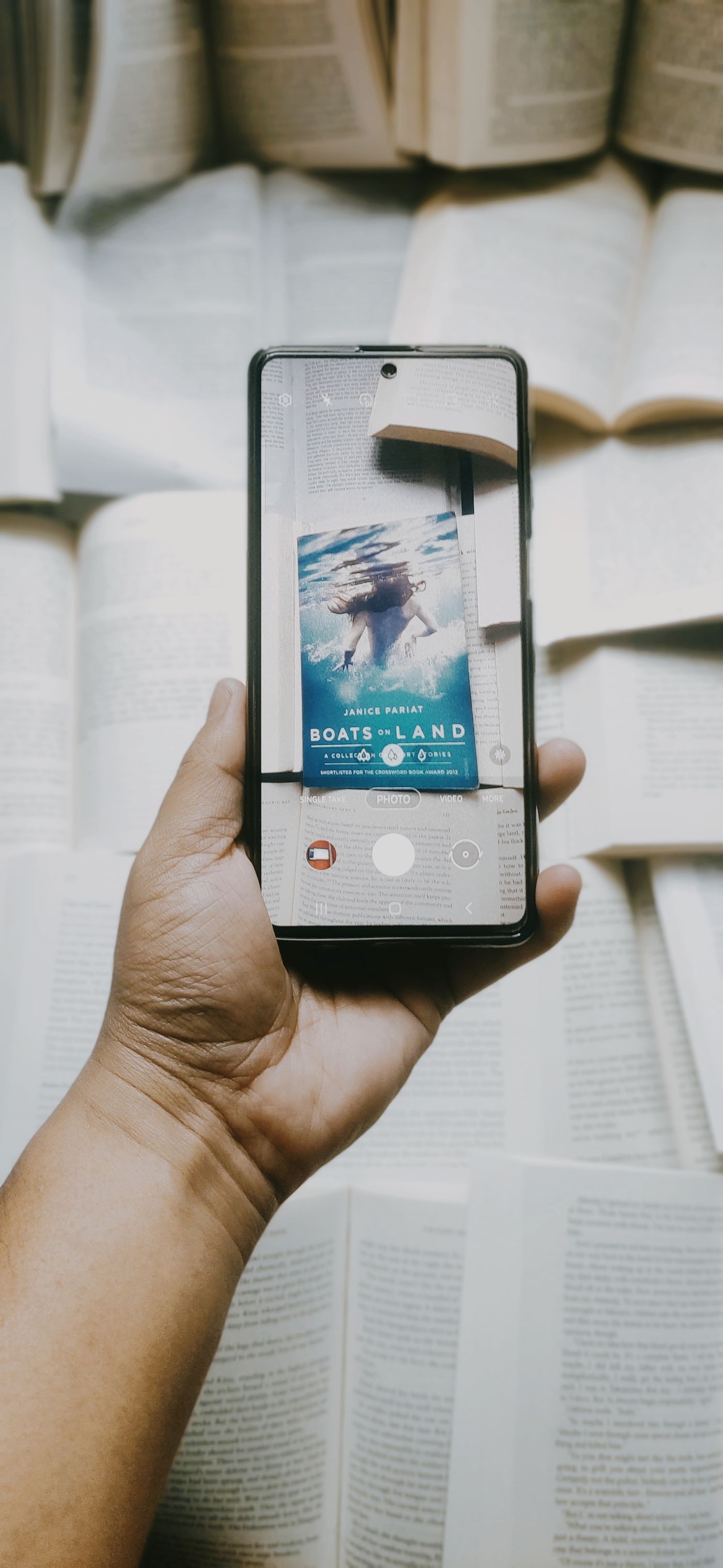
ZenRead gives you three ways in, and all of them are free. Type it if you want. Or photograph the page and let on-device OCR lift the text straight off the paper. Or scan the book's ISBN to pull in the title, author, and cover instantly instead of filling out a form. Capture stops being the hard part, which is the whole point, because a quote you never save is worth nothing.
2. You shouldn't need an account to read your own notes
Open most reading apps for the first time and you hit a wall: create an account, verify an email, maybe connect a social login, all before you've saved a single thing. It's backwards. You're being asked to sign up for something you haven't been allowed to try.
ZenRead opens straight to a usable app. Save quotes, track books, explore your library, no account, no email, nothing to create. Your reading lives on your device and works completely offline. An account is only ever optional, and only if you later want to sync across devices. The default is: start now, decide later.
3. No streaks, no badges, no leaderboards
Somewhere along the way, reading apps decided reading needed gamifying. So they bolt on streak counters, daily-goal nags, badges, and progress bars that turn a book into a to-do list. Miss a day and you get guilt. It's the same engagement machinery social apps use to keep you scrolling, pointed at the one activity that's supposed to be a refuge from exactly that.
ZenRead has none of it. No streaks to break, no notifications badgering you to open the app, no dopamine loops. If you don't read for a week, ZenRead says nothing, because your reading is not a performance. The stats that are there, books finished, quotes kept, are quiet reflections you go looking for, never counters that come looking for you.

4. Your quotes shouldn't die in a flat list
Say a reading app makes capture easy. Where do those quotes go? Almost always into one long list, sorted by date, that you scroll once and never open again. Capture without connection is just a nicer graveyard. The value of what you read was never in a single highlight, it's in how ideas from different books talk to each other, and a flat list hides every one of those links.
ZenRead is built around getting that value back. You can link a quote to another quote, even from a different book, so the argument a Stoic made and the one a neuroscientist echoed finally sit together. And the reference graph draws every one of those connections as a map you can actually explore: your books and quotes as nodes, their relationships as lines. Your library stops being a pile and starts being a second mind.

5. Your reading isn't data to be harvested
What you read is one of the most revealing things about you, your politics, your health, your doubts, what you're quietly trying to figure out. Plenty of apps treat that as an asset: analytics SDKs, behavioural tracking, a profile assembled in the background and, often enough, sold onward. You never see it happen.
ZenRead has no analytics and no crash-reporting SDKs, none, by deliberate choice. Nothing about your reading is tracked, profiled, or sold, because nothing phones home to begin with. Features like the reference graph are assembled entirely on your phone. Your library is yours, and it's built so it never quietly leaves your hands. Privacy here isn't a setting you have to find and switch on, it's the default, and there's no switch that turns it off.
The map of how your mind connects ideas is one of the most personal things software could hold, so it should never leave your device. That's not a feature. It's the starting assumption.
6. The basics shouldn't be behind a paywall
Here's a pattern that stings: you install a reading app, start saving quotes, and hit a paywall on the third one, or discover that photographing a page, the feature that sold you, costs $9.99 a month. The fundamentals of keeping what you read get held hostage to a subscription.
ZenRead draws the line differently, on purpose. Capturing quotes is always free, typing, ISBN scanning, and photo OCR included. Tracking your books is free. Exploring the reference graph on your recent reading is free. Pro exists, but it's about connection and convenience, syncing across devices, quote-to-quote links, and lifting the graph cap so your entire library becomes one connected picture. Getting your words in is never the thing you pay for.
7. A reading app should feel calm, not busy
Open a typical reading app and it's a feed: recommendations, social activity, ratings, promos, what your friends are reading, what the algorithm thinks you should read next. It's designed to hold your attention, which is precisely the wrong goal for a tool that's meant to sit beside a book.
ZenRead is built to be quiet. Clean typography, generous space, and a handful of warm themes, gold, sage, indigo, terracotta, slate, so it feels like an extension of the page rather than another screaming app. There's no feed to get lost in and nothing trying to keep you here. You come in, keep the line worth keeping, and get back to reading.

The pattern behind all seven
Look at the list and the same idea runs through every fix: friction and noise get removed so the reading, and what it leaves behind, can stay at the centre. Easy capture instead of retyping. No wall before you start. No gamification, no harvesting, no paywall on the basics, no feed. And then one thing added back that most apps leave out entirely: a way to connect what you've read, so your library grows into something you actually think with.
If you've bounced off reading apps before, it probably wasn't you. It was the hundred small frictions. ZenRead is what's left when you take them all away. If you want the longer head-to-head, our ZenRead vs Goodreads vs StoryGraph comparison and the best reading journal apps for Android roundup go feature by feature.
Fewer frustrations, more of what you read
Capture a quote by photo, scan, or typing, all free, no account needed, and see how calm a reading app can feel. Then link a couple of ideas and watch your library start to connect.
Get ZenRead on Google Play