For heavy readers
How to Connect Ideas Across Books (and Stop Losing the Threads)
You are three chapters into a new book when a sentence stops you. You have read this idea before, somewhere else, in a different author's words, and for a second the two halves click together into something bigger than either one. Then the phone buzzes, or the chapter ends, or you simply keep reading. By morning the connection is gone, and all you are left with is the vague sense that two books you love are talking to each other behind your back. This piece is about that lost click, why it keeps happening, and how to actually hold onto the threads that run between everything you read.

The click that never survives the night
Every reader who reads seriously knows this moment. Seneca says we suffer more in imagination than in reality, and a week later a modern psychologist describes the same trap in the language of anxiety, and you feel the centuries collapse. A novelist stages an argument you first met in a philosophy book years ago. A business writer reaches, without knowing it, for a metaphor a poet used better in 1922. These recognitions are the best part of reading widely. They are also the most fragile thing your brain produces, because they arrive fully formed and disappear just as fast.
The problem is not that you are forgetful. The problem is that a connection between two books is a thought with no home. The first book is behind you, shelved or closed. The second book is in your hands. The link between them lives only in the narrow overlap where you happen to remember both at once, and that overlap closes the moment your attention moves on.
Why our tools are built to lose them
Look at how reading actually gets recorded and the failure becomes obvious. Highlights live inside the book they came from, sealed in their own container. Your Kindle notes for one title never meet your notes for another. A reading journal runs top to bottom, one entry after the next, so a thought from page 40 of a book you read in March has no way to touch a thought from a book you finish in November. Even a good notes app treats every note as an island unless you do the linking by hand.
So the raw material piles up and the connections evaporate. You end up with hundreds of saved passages that each make sense alone and never form anything larger. It is the reading equivalent of collecting puzzle pieces in separate boxes and never once tipping them onto the same table.
This hurts heavy readers most of all. The more you read, the more echoes there are to catch, and the more painful it is to watch them slip. A casual reader loses a connection here and there. Someone who reads fifty books a year is losing a web of them, a whole private map of how their thinking fits together, and never gets to see the finished shape.
What it costs to leave ideas stranded
When your books cannot talk to each other, a few quiet things go wrong. You reread the same insight in four authors and treat it as four separate facts instead of one deep pattern worth trusting. You reach for an argument in conversation and can name the feeling but not the source. Worst of all, the original thoughts that only happen at the seam between two books, the ones nobody wrote for you because they live in the specific collision of your reading, never get made at all.
Synthesis is where reading turns into thinking. It is the difference between having read widely and actually knowing something. And synthesis cannot happen while every idea sits locked in the book it arrived in.
A simple practice for keeping the threads
You do not need a research system or a wall of index cards. You need a habit with three small parts, done in the moment the click happens rather than later, because later never comes.
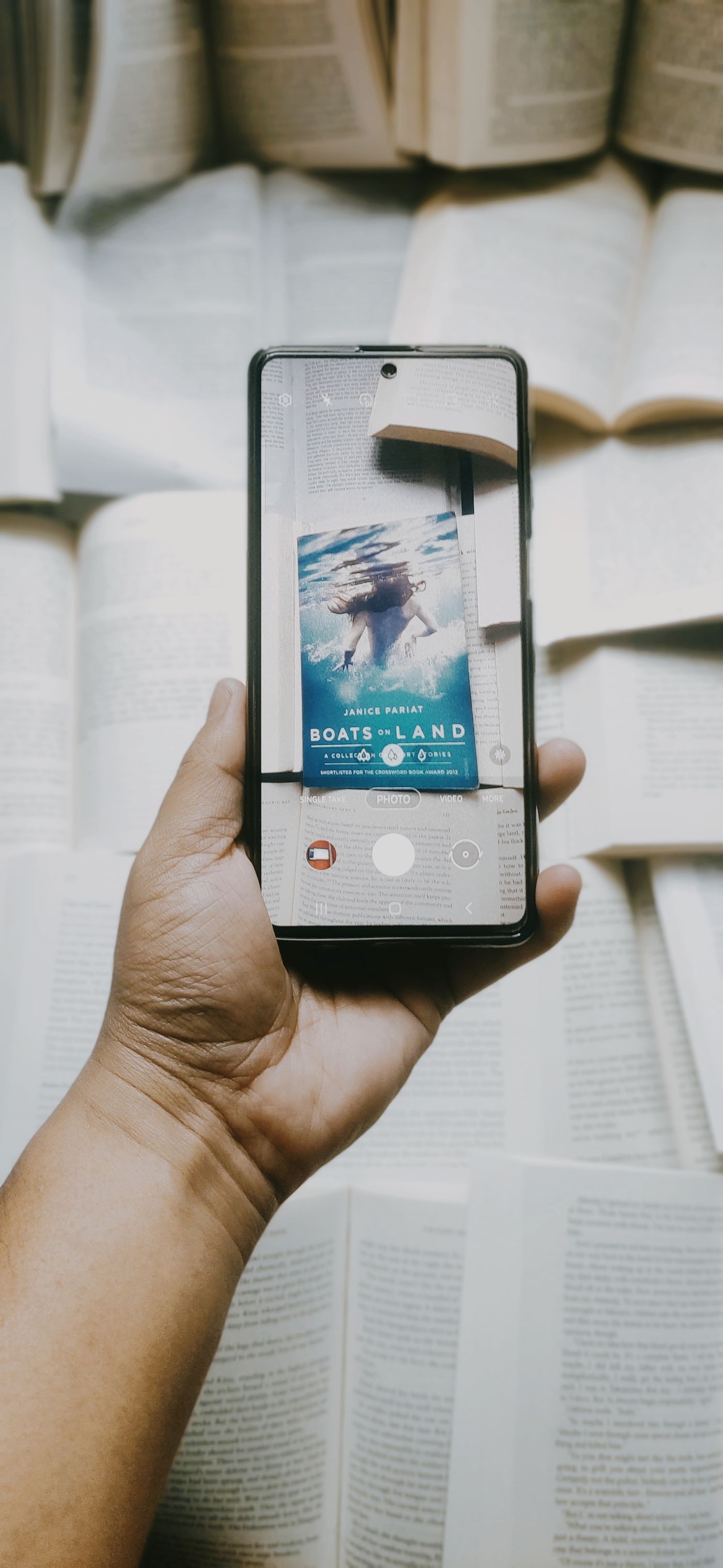
Capture the passage right away. The instant a line lands, get it out of the book and somewhere permanent. Type it, or photograph the page so you never retype a word. A connection you can point at is one you can keep. A connection still trapped in the book is already half lost.
Write the link, not just the quote. Under the passage, in one sentence, say what it reminded you of. "This is Seneca's point about imagined suffering." "Same idea as the opening of that Camus essay." The sentence is the thread. It is worth more than the highlight, because it holds the thing your memory was about to drop.
Make the connection explicit and revisit it. Wherever you keep your reading, tie the two passages together so the link is a real object you can return to, not a hope that you will remember. Then let those links accumulate. Over a year they stop being scattered notes and start being a map of how one reader, you, actually thinks.
The value of a thought is not in reading it once. It is in the moment it meets another thought you already carry.
Where ZenRead fits
We built ZenRead around exactly this problem, because tracking what you have read is the easy half and keeping what it connects is the half everyone drops. You can save any passage in seconds, by typing it, scanning the book's ISBN, or photographing the page, all free and all on your device. When one quote echoes another, you can link the two directly, so the thread becomes a permanent reference instead of a fading memory.
Then the reference graph draws the whole thing for you: every book and quote as a point, every link you have made as a line between them, so the private web of your reading finally becomes something you can see and explore. The recognitions you used to lose overnight turn into a growing picture of how your books fit together.
Keep the connections, not just the quotes
ZenRead is a calm reading journal. Capture the lines worth keeping (free, no account needed), link the ideas that echo across different books, and open the reference graph to see how your whole library connects.
Get ZenRead on Google Play